Free in-home measure and quote - PGT, CGI and CWS impact lines compared on your actual openings, style by style
Sliding glass doors
Impact garage doorsPGTCGI
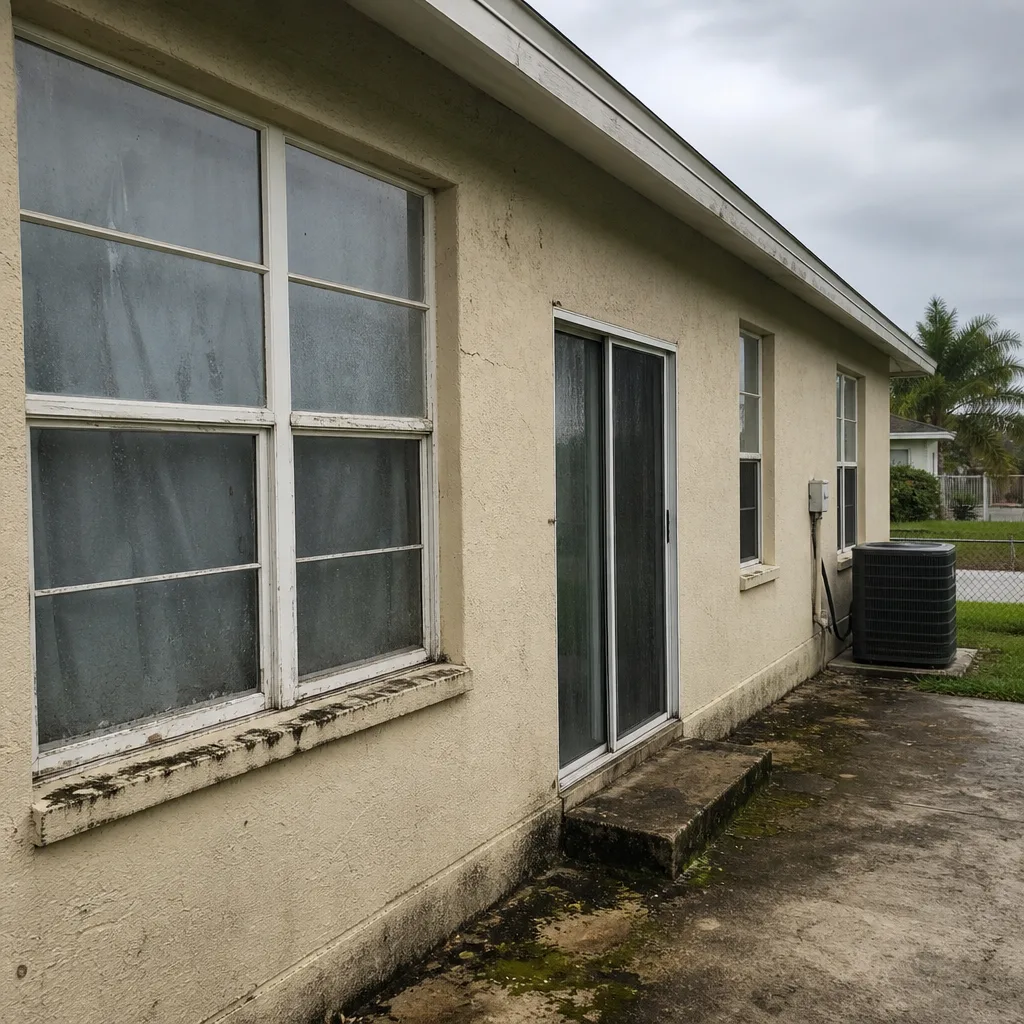 Before
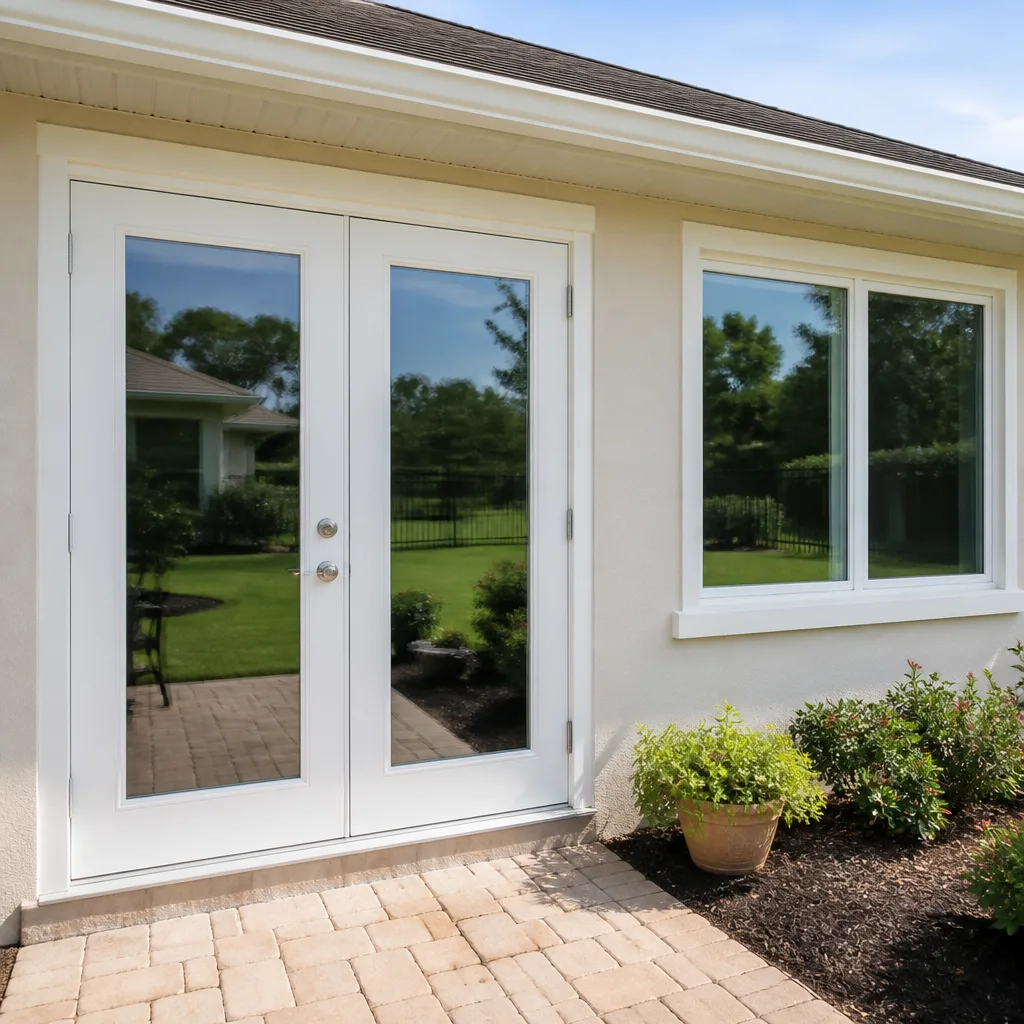 After
After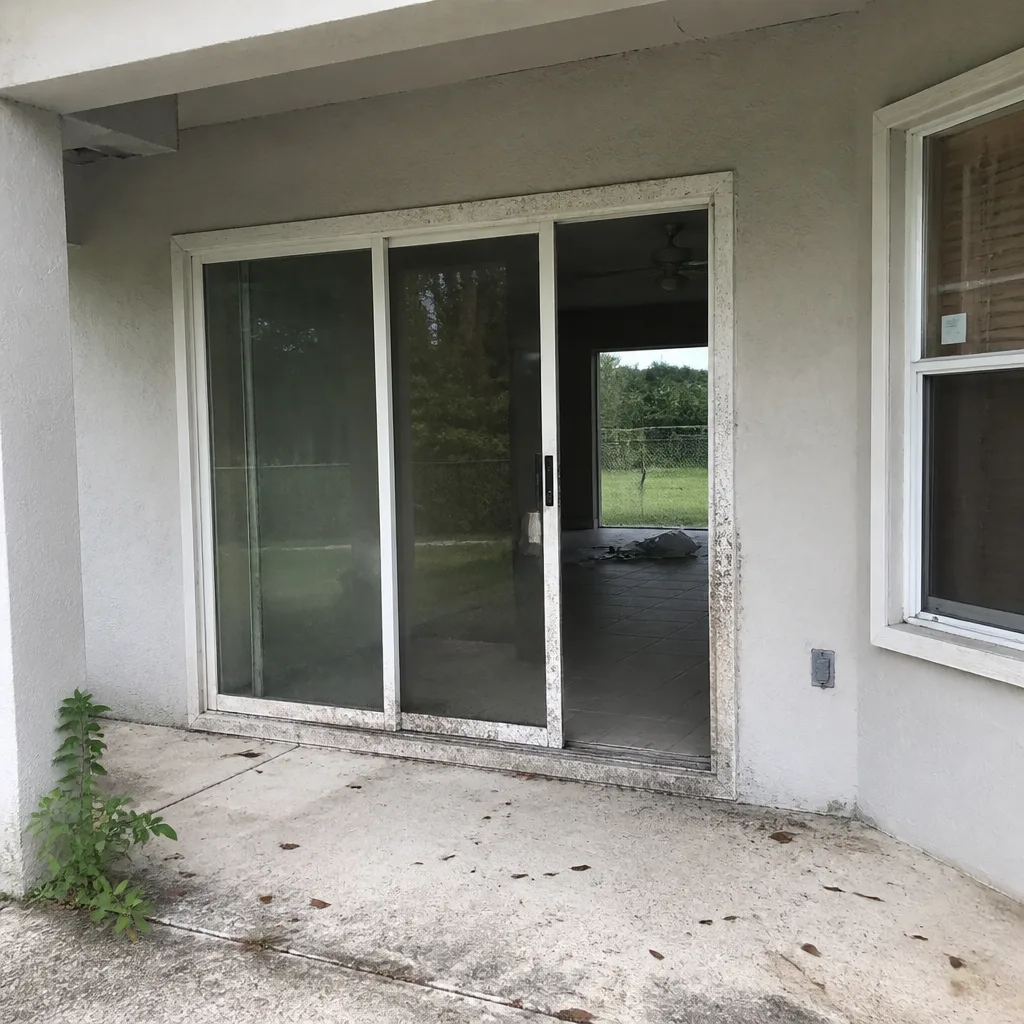 Before
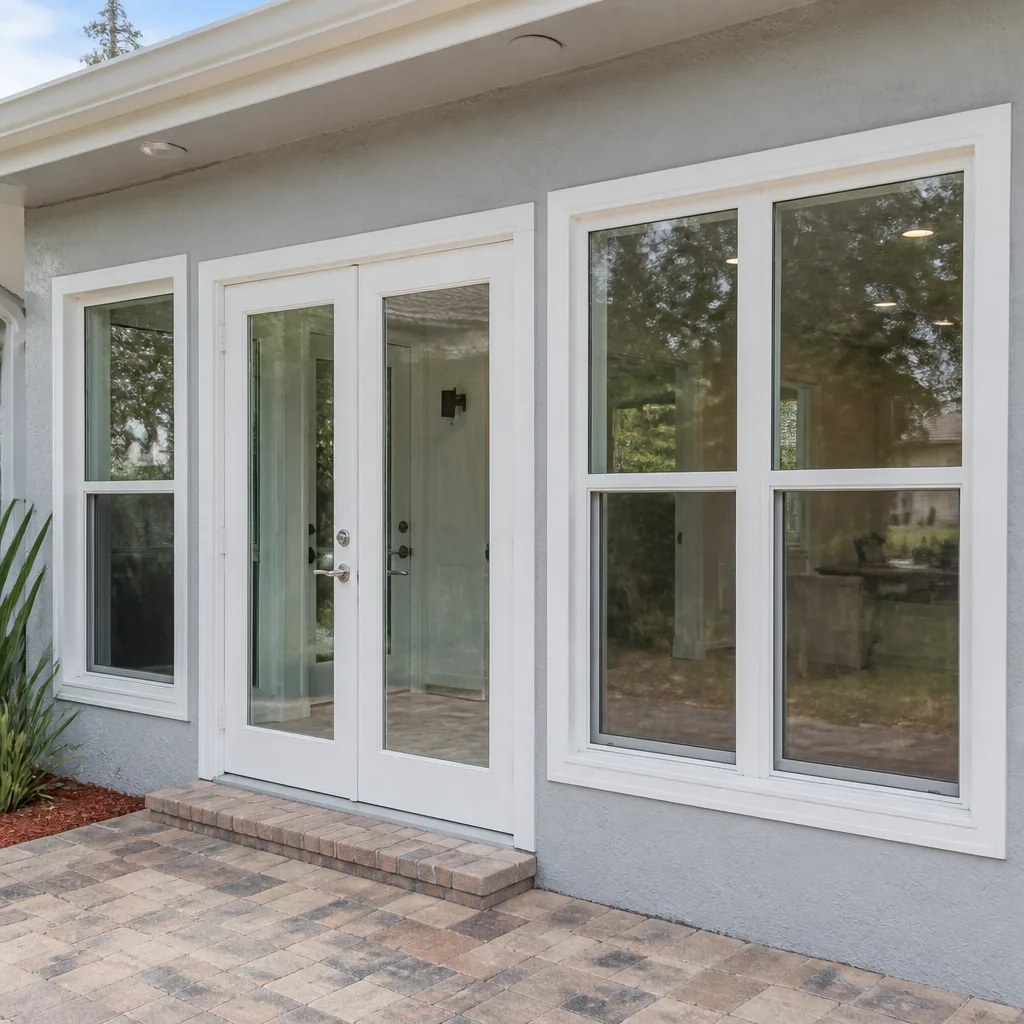 After
After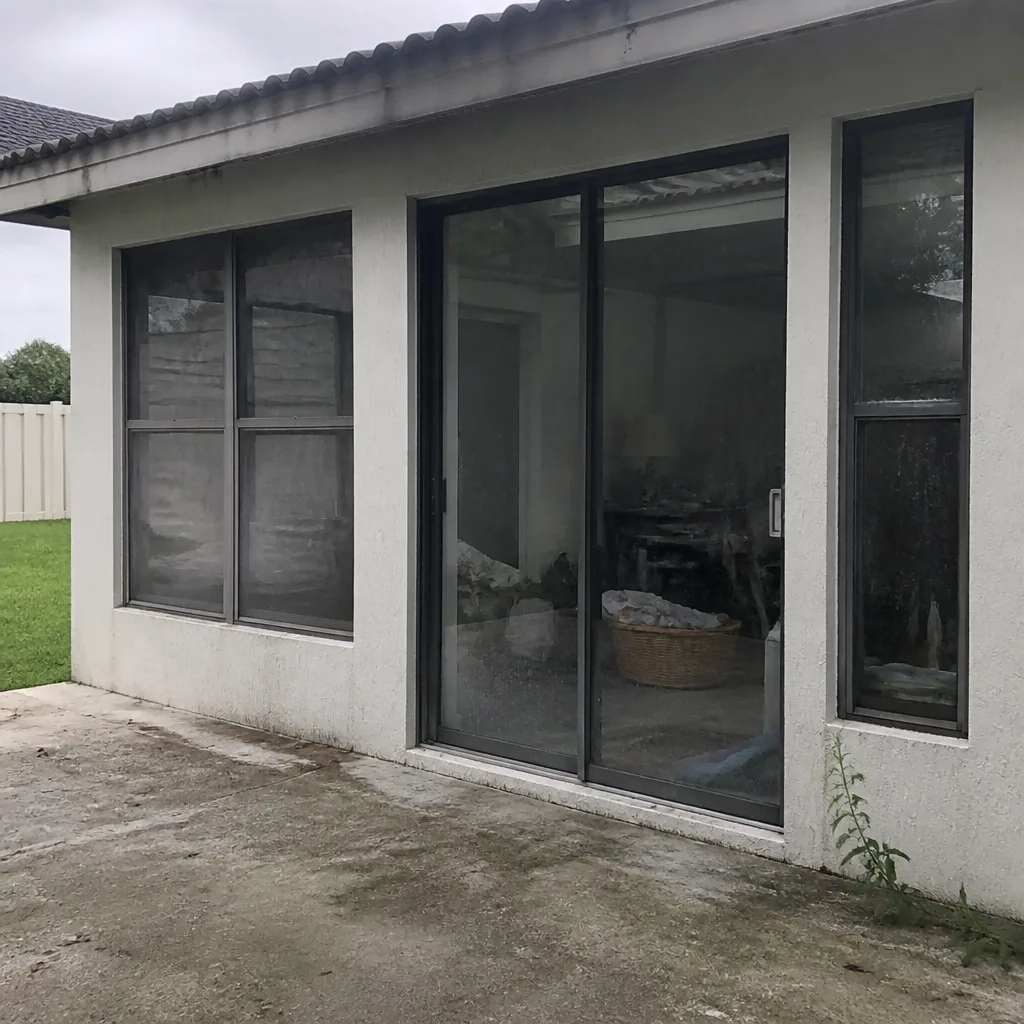 Before
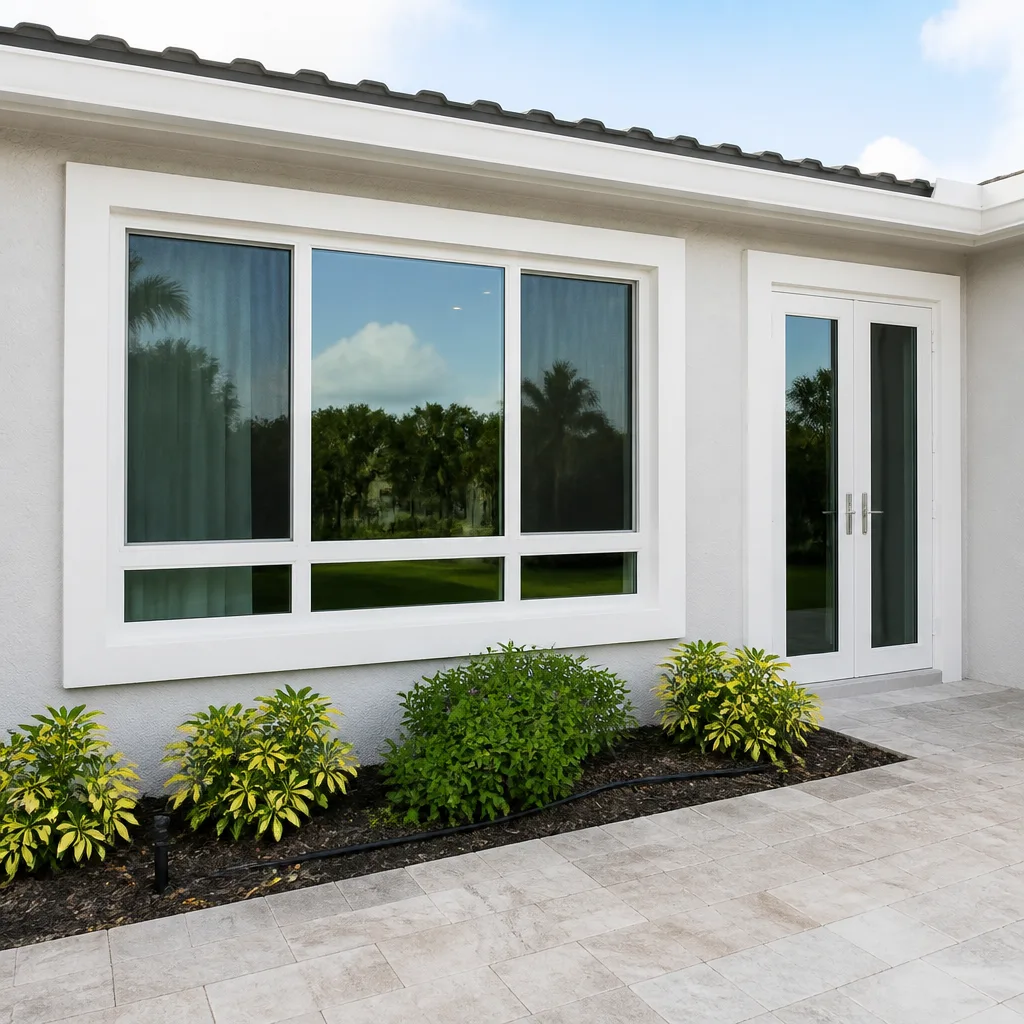 After
AfterCasement Windows in Port St. Lucie, FL | TruePane Windows & Doors
Casement windows bring a level of precision that few other window styles can match: a side-hinged sash that cranks open outward and seals shut against the frame with full compression. For Port St. Lucie homeowners, that compression seal matters twice over. It keeps air-conditioned air inside during the humid summer months, and it creates a rigid, closed unit that stands up to wind-driven rain when a storm passes through. At TruePane Windows & Doors, we install impact-rated casement windows across St. Lucie County, from Lakewood Park to Torino and Tradition. Call us at (772) 362-3326 to talk through your project or schedule a free on-site measurement.
Product Overview - Casement Windows
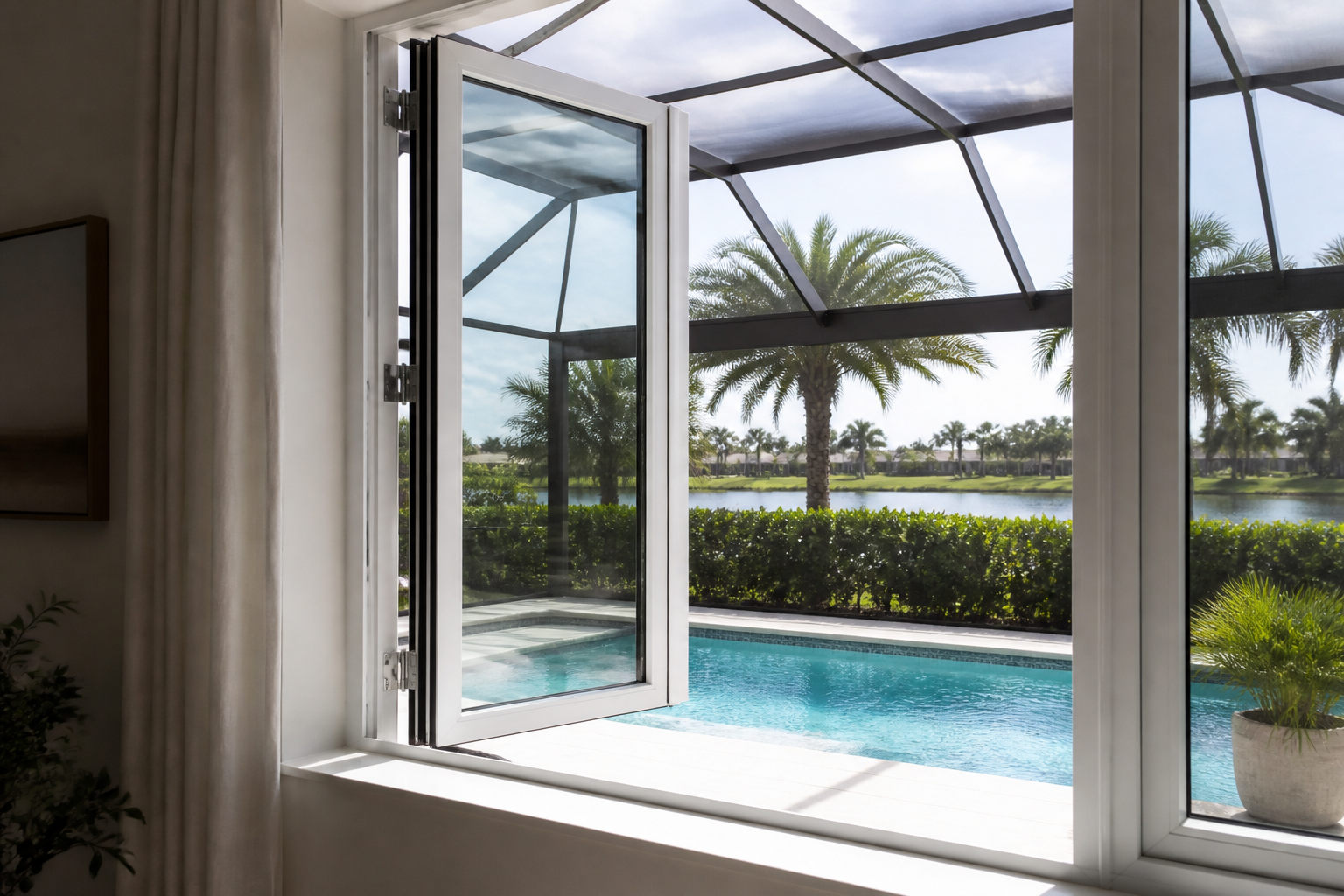
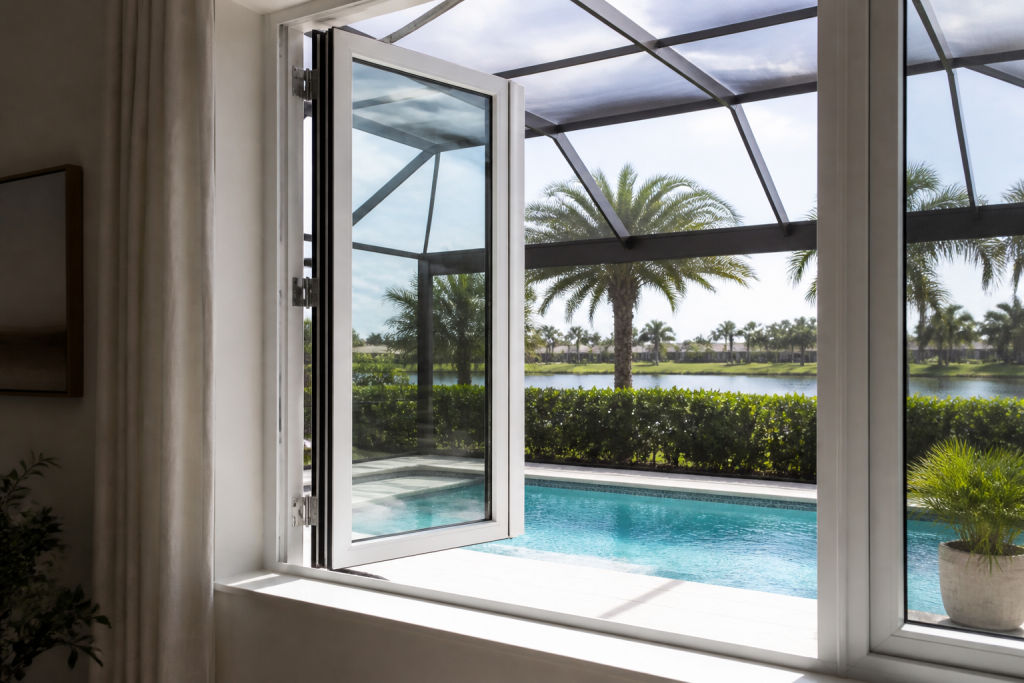
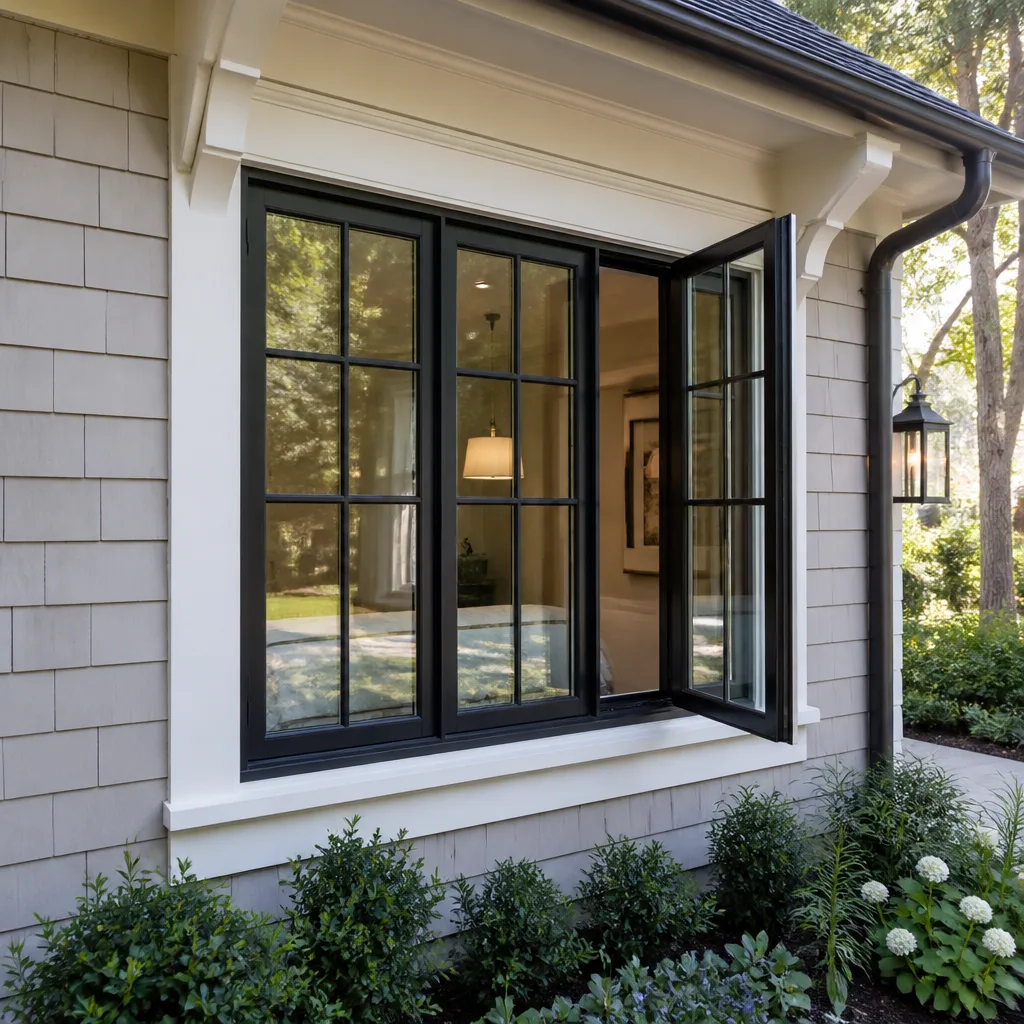
Casement windows are the workhorse of Florida coastal architecture for good reason. The sash is hinged on one side and operated by a crank, which means the entire panel swings outward like a door. When you close it, the sash presses evenly into the weatherstripping around all four sides. That full compression seal is what sets casements apart from sliding or single-hung windows, which rely on overlapping tracks and can let air slip through at the meeting rails. In Port St. Lucie, where we deal with ninety-degree summer days and sudden afternoon downpours, an airtight closure is not a luxury. It is the difference between a window that performs and one that leaks conditioned air all season.
The profile works especially well in homes that want clean sightlines and maximum ventilation. Because there is no center mullion splitting the opening, a casement window delivers unobstructed glass from top to bottom and side to side. When you crank it open, the sash angles outward and actually scoops the breeze into the room, which makes it a favorite in the breezy neighborhoods near the St. Lucie River and along the Savanna Club corridor. The crank mechanism also makes casements a practical choice for windows placed over kitchen sinks or behind furniture, where lifting a sash would be awkward.
For hurricane-prone construction, the casement’s hinged design has a structural advantage. When the wind blows, the outward pressure pushes the sash harder against its frame, not away from it. That means the window fights the storm in its closed, locked position rather than flexing open at the corners. It is one reason impact-rated casement windows remain a top request among Port St. Lucie homeowners who are replacing builder-grade aluminum windows on homes built in the 1980s and 1990s, many of which never met today’s Florida Building Code requirements.
Technical Specifications
We order every casement window to your exact opening dimensions and glazing requirements. Here is what the Impact Series offers:
- Frame materials: Extruded aluminum or reinforced vinyl, both engineered for salt-air exposure and high-humidity environments common across the Treasure Coast.
- Glass options: Laminated impact glass with a PVB interlayer, Low-E insulated glass, tinted glass, or clear glass. Laminated impact is the code-required starting point for windborne debris regions.
- Finish options: White, almond, bronze, black, and tan. All finishes are baked or co-extruded, not painted, so they hold up to Florida UV without peeling.
- Screen options: Fixed insect screen or retractable screen for a clean look when the window is closed.
- Hardware: Crank operator and multi-point locking hardware that draws the sash tight against the frame in multiple locations when closed.
- Design pressure: Matched to your wind zone, up to +/-100, never higher than your opening requires.
Hurricane & Compliance Performance
Laminated Impact Glass
Impact casements from TruePane Windows & Doors use laminated glass with a PVB interlayer. When a storm-thrown branch or piece of debris strikes the glass, the outer pane may shatter, but the interlayer holds the broken glass in the frame. That keeps your home’s envelope intact and prevents wind from pressurizing the interior, which is the primary cause of roof blowouts during hurricanes in Port St. Lucie.
Miami-Dade NOA / Florida Product Approval
Each casement configuration we sell carries a Miami-Dade NOA (Notice of Acceptance) and Florida Product Approval number. These are issued per configuration, meaning the exact size, glass type, and hardware combination matters. We verify the right NOA number against your specific quote before we ever order the window, so the paperwork matches what the building department sees in the field.
FBC / HVHZ Compliance
These windows are engineered to Florida Building Code High-Velocity Hurricane Zone requirements. St. Lucie County enforces HVHZ standards, so your project will not pass inspection with a window that only meets the lower wind-load provisions used in inland states. We make sure every window we install in Port St. Lucie carries the documentation to pass on the first attempt.
TAS 201 / TAS 202 / TAS 203 Testing Context
HVHZ-rated products are tested under a family of Florida protocols. TAS 201 covers large-missile impact, TAS 202 covers cyclic wind-pressure loading, and TAS 203 covers forced-entry resistance. This is the testing battery that simulates what a window actually goes through during a hurricane: impact, repeated pressure cycles, and attempted entry when power is out and homes are empty.
Design Pressure for Your Wind Zone
Structural design pressure is matched to the wind zone of your specific Port St. Lucie property, up to +/-100, never higher. A home on a canal off Floresta Drive faces different wind exposure than a home tucked into a protected subdivision near Gatlin Boulevard. We do not oversell ratings you don’t need, and we do not undercut the rating the code requires.
Energy Performance Options
Beyond impact protection, you can specify Low-E insulated glass to reduce solar heat gain through east- and west-facing windows, or select tinted glass for rooms that get direct afternoon sun. These upgrades are especially useful on Port St. Lucie homes with large window packages facing open water or unshaded rear elevations.
Color & Glass Options
Finish selection is where the window either blends into your home’s design or announces itself as an afterthought. White and almond remain the two most common choices across Port St. Lucie, and with good reason: they pair naturally with the stucco exteriors and tile roofs you see throughout St. Lucie West and the older neighborhoods east of U.S. 1. Bronze and black finishes have gained ground in recent years, especially on modern coastal builds and on homes where the owner wants the window frame to read as a deliberate architectural line against a lighter wall. Tan splits the difference, working well on Mediterranean-style homes with earth-tone facades.
On the glass side, laminated impact glass is the foundation for any casement going into a windborne debris region. From there, Low-E insulated glass adds a thermal break and reduces solar heat gain, which helps with afternoon comfort in rooms facing west. Tinted glass is a strong option for Port St. Lucie homeowners whose windows catch full sun from midday onward and who don’t want to rely solely on blinds. Clear laminated glass keeps the view as true as possible, which matters if you’re looking out over a preserve or a water view and don’t want any color shift.
Installation by TruePane Windows & Doors in Port St. Lucie
A hurricane-rated casement window is only as reliable as the hands that put it in. That is not sales talk; it is a structural reality. A window that carries a Miami-Dade NOA was tested as a complete system. If the installation leaves a gap at the rough opening, skips the perimeter seal, or sets the frame out of square, the window’s real-world performance drops below what the test lab documented. In an HVHZ jurisdiction like Port St. Lucie, that gap becomes a point of water intrusion during a storm and a point of failure during inspection.
Our installation process starts with a pre-install inspection of the rough opening. We check for rot, out-of-plane studs, and improper flashing before a single screw goes in. Then we set the frame level, plumb, and square, using shims where the opening has shifted over time. A window forced into an out-of-square opening will bind when you crank it and may not compress the weatherstripping evenly, which defeats the entire purpose of a casement. We apply low-expansion foam perimeter sealant per AAMA 812 practice to fill the gap between frame and rough opening, then flash and caulk the exterior to shed water away from the opening. Our installation methods follow AAMA 2400 and 2410 standards for fenestration installation.
Port St. Lucie adds its own wrinkles to window installation. Coastal exposure zones along the St. Lucie River and the North Fork demand higher design pressures. St. Lucie County permit reviewers will ask for the NOA submittal and exact product approval numbers on any HVHZ project. We prepare that documentation with the same care as the physical install, because a permit rejected for missing paperwork delays your project just as much as a failed framing inspection would. After the window is set and sealed, we run a final water test and walk you through operation and maintenance before we clean up and haul away the old window.
Frequently Asked Questions - Casement Windows
What wind zone and design pressure is the Casement Window rated for?
Design pressure is matched to the wind zone of your specific Port St. Lucie property, up to +/-100, and we size each window to the code-required rating for your exact opening and exposure. Call (772) 362-3326 and we’ll confirm the design pressure your home requires during the free measurement.
What is the lead time on impact casement windows?
Lead time depends on the manufacturer line, the glass package, and the finish you choose, with laminated impact configurations taking the longest in most cases. We provide a written schedule when you approve your quote so you know when installation will occur. Call (772) 362-3326 for current lead times on the line you’re considering.
Does my permit require a Miami-Dade NOA or Florida Product Approval submittal?
Yes, for almost any window replacement in Port St. Lucie, the permit package must include the NOA or Florida Product Approval documentation that matches your exact window configuration. We prepare that submittal for you and verify the numbers against your final order. Call (772) 362-3326 to get your project documented correctly from day one.
Can I customize the size or configuration of my casement windows?
Yes, within the approved size ranges for the manufacturer line you select, and every configuration we quote carries its own NOA or Florida Product Approval number. We can combine casements with fixed picture windows to create larger openings while keeping each operable unit within approved limits. Call (772) 362-3326 to discuss your layout.
How do I maintain the crank hardware and frame over time?
Lubricate the crank operator and hinge points once a year with a light silicone spray, and inspect the weatherstripping when you clean the glass. Avoid pressure washing the frame at close range, since high-pressure water can force its way past the perimeter seals and into the wall cavity. If a crank ever feels stiff or the sash doesn’t seat evenly, call (772) 362-3326 and we’ll come check the window before it becomes a problem.
Get a Quote - Casement Windows in Port St. Lucie
We’re installing impact casement windows in Port St. Lucie every week, from River Park to Becker Road and out toward the Tradition corridor. If you’re planning a window replacement or a new build and want the compression-seal performance only a casement delivers, call TruePane Windows & Doors at (772) 362-3326 to schedule your free on-site measurement. Bring your idea and your opening sizes; we’ll handle the engineering, the permits, and the install.
Written by the team at TruePane Windows & Doors, serving Port St. Lucie, FL with hurricane-impact windows and doors.
Six Reasons Homeowners Choose TruePane Windows & Doors
Impact systems engineered to design pressures up to +/-100, matched to your wind zone - your openings hold when the storm arrives.
Low-E insulated impact glass from our manufacturer lines commonly cuts monthly cooling bills 20-30%.
Laminated impact glass shuts out up to 40% of outside noise - traffic, neighbors, weather.
Monitoring services run $30-90 a month. Laminated impact glass resists forced entry around the clock, with no subscription.
Florida homeowners average around 25% savings on the windstorm portion of their policy after protecting every opening - some homes qualify for more.
A full impact package upgrades curb appeal, buyer confidence and appraised value in one project.
Other TruePane Windows & Doors Services
What Neighbors Say About TruePane Windows & Doors
Detailed Images