
Free in-home measure and quote - PGT, CGI and CWS impact lines compared on your actual openings, style by style
Sliding glass doors
Impact garage doorsPGTCGI
 Before
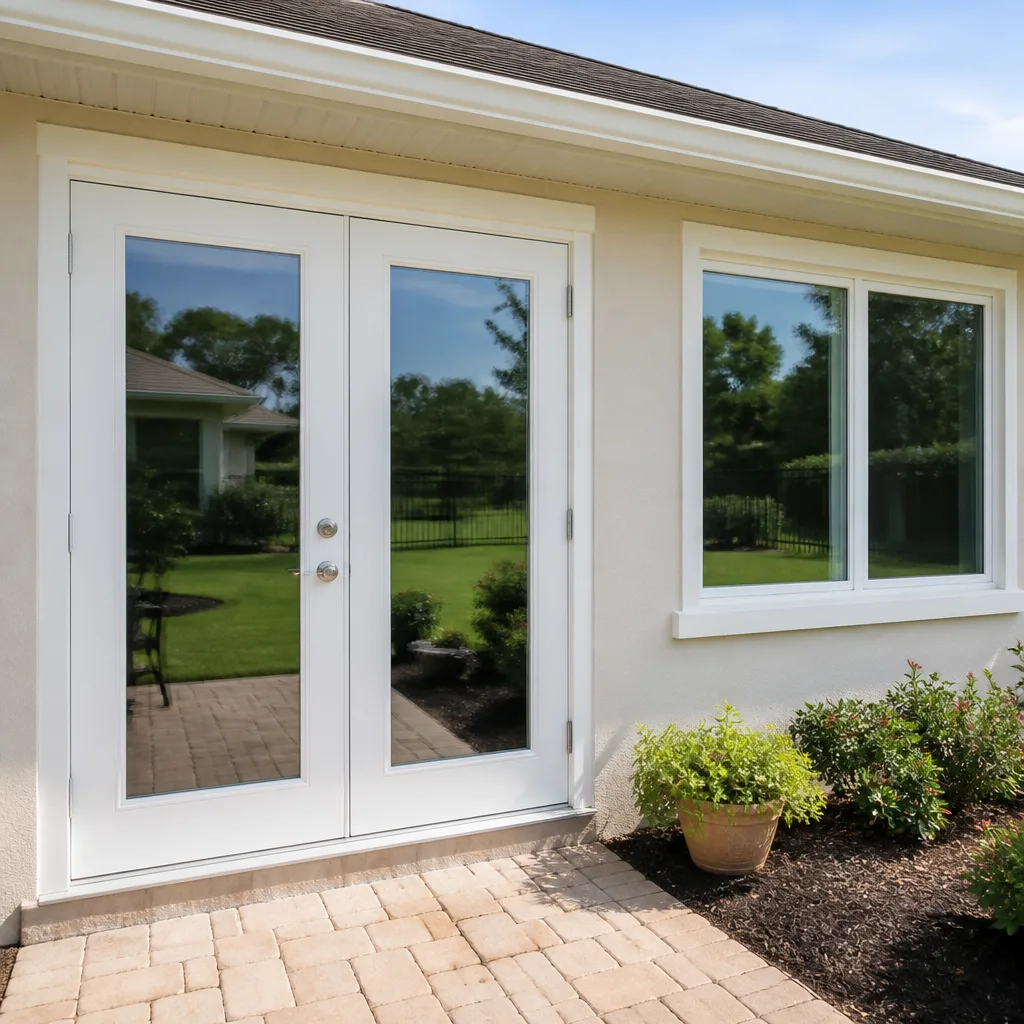 After
After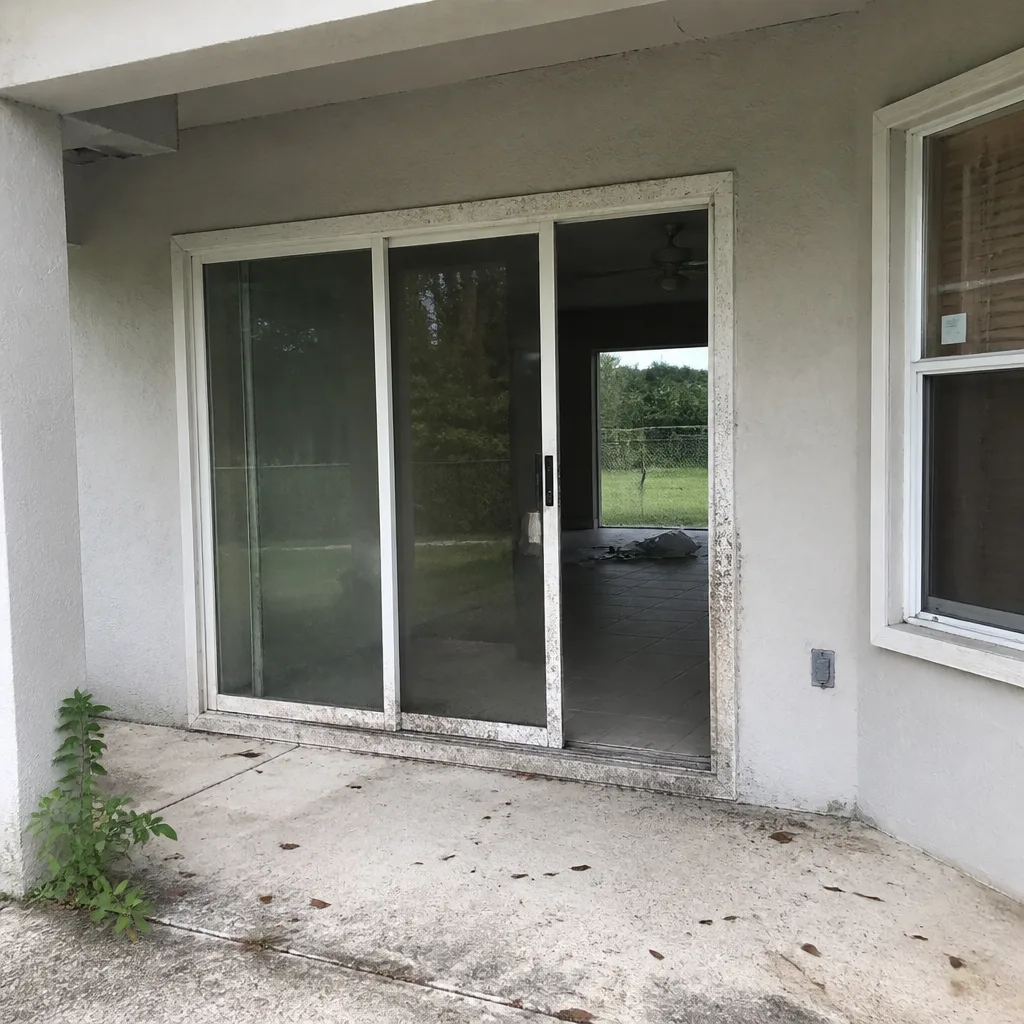 Before
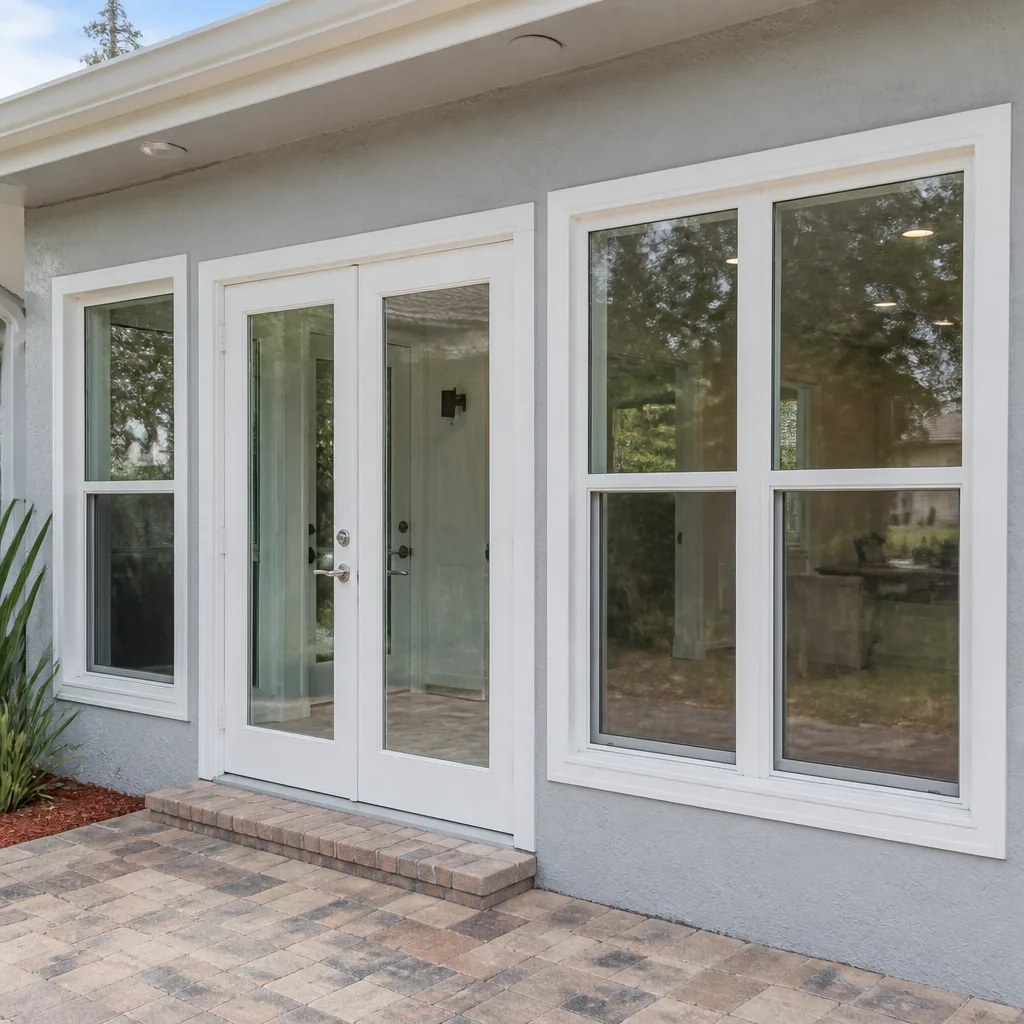 After
After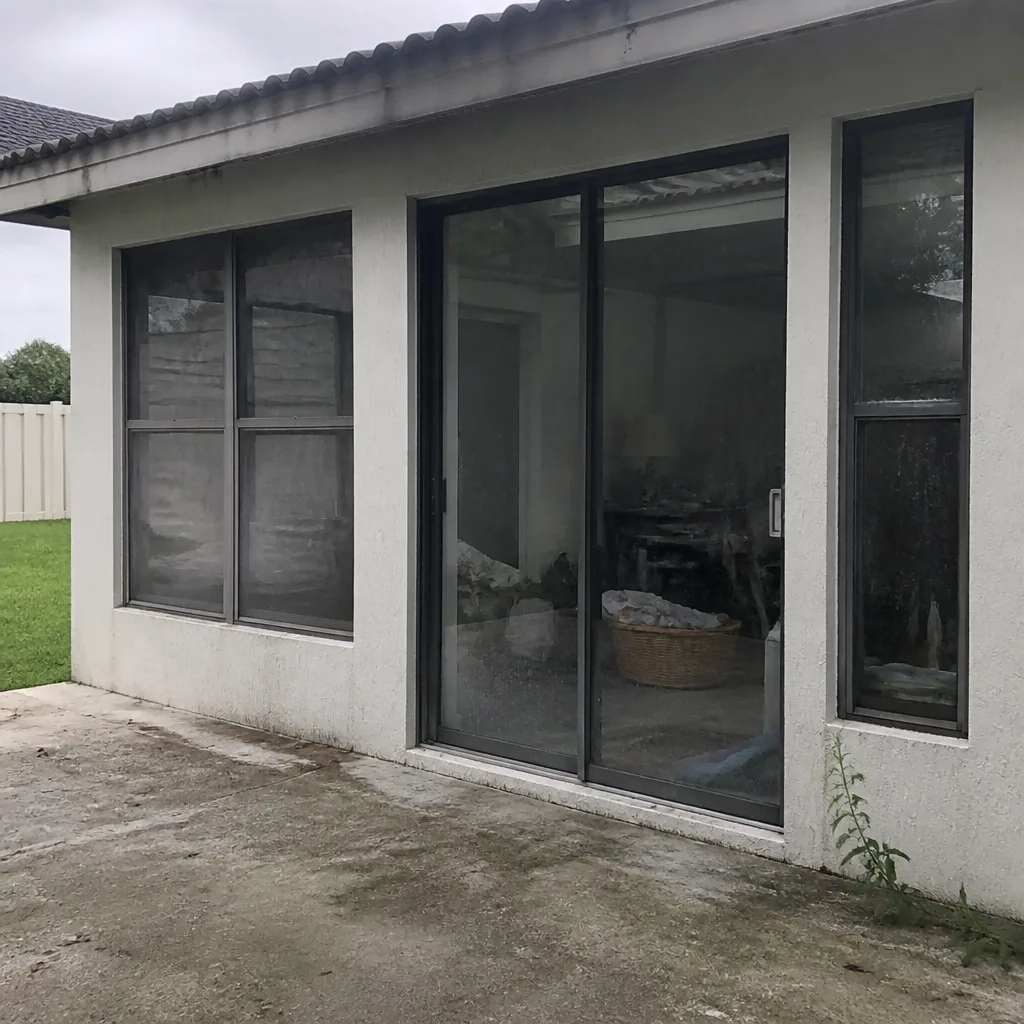 Before
 After
AfterCGI Glass Railing Systems: The Port St. Lucie Owner’s Guide
We stock and install CGI-compatible glass railing system components in Port St. Lucie, with most replacements running between $85 and $460 depending on the part and the CGI series you’re working with. Shoe moldings, clamps, and standoff hardware are the parts we replace most often, and we keep the common sizes on the truck for single-visit service. The way most people find us is by noticing a wobble at the corner of a panel, a discolored gasket, or a clamp that won’t hold torque anymore after a few hurricane seasons.
CGI builds glass railing systems differently than the generic aluminum channel rails you’ll find at big-box stores. Their top-rail systems and point-supported standoffs use specific clamp geometries and load-rated fasteners sized to Florida building code. That matters in Port St. Lucie, where the salt air off the Atlantic and the afternoon thunderstorms work on exposed hardware year-round.
Which CGI Models This Applies To
CGI’s glass railing line runs through two primary configurations: the top-rail system, where tempered glass panels are captured in an engineered aluminum top rail, and the point-supported (standoff) system, where the glass is held by stainless steel clamps mounted to posts or the deck surface. The compatibility gotcha we see most is homeowners ordering replacement clamps for a frameless system when their railing is actually a semi-frameless CGI model with a recessed shoe. They look similar at a glance; the clamp depth differs by 3 to 6 millimeters depending on the series.
If you’re trying to identify what you have: look for a small CGI etching on the glass corner, usually near the bottom rail or a standoff. The etching carries the safety standard mark and the tempering batch code, not the part number. The part number is typically stamped on the inside face of the aluminum shoe or on the underside of a top-rail cap. A digital photo of that stamp is the fastest way for us to match the hardware. For clamps and standoffs, measure the glass thickness with digital calipers. CGI panels in residential applications are almost always 1/2-inch or 3/4-inch tempered, but we have seen 3/8-inch on older balconies. That quarter-inch difference changes the clamp body spec.
OEM versus aftermarket is genuinely case-by-case for CGI railings. Their proprietary top-rail cap profiles don’t have a true aftermarket equivalent, so we order OEM there. For stainless standoffs and wedge clamps, reputable aftermarket equivalents from CRL and FHC hold up equally well and often cost 30 to 40 percent less. We’ll quote both options side by side on paper, with the manufacturer warranty duration stated for each, so you see exactly what you’re buying. TruePane Windows & Doors is an independent service provider, not affiliated with CGI.
Signs Your CGI Glass Railing Systems Is Failing
- Panel wobble at the corners. A railing panel that moves more than 1/8 inch when you push on it usually means the setting blocks inside the shoe have compressed or the wedge clamps have loosened. In Port St. Lucie, the wet-dry cycling of summer storms accelerates this.
- White corrosion at aluminum-to-steel contact points. Galvanic corrosion happens when stainless fasteners sit in aluminum shoes without proper isolation washers. That white powder around the screw heads is the aluminum giving up material to the steel.
- Clouding or discoloration at the glass edge. When gaskets in a top-rail system harden and crack, moisture gets into the captured edge and starts delaminating the interlayer. The glass itself hasn’t failed, but the gasket has been gone long enough to let the weather in.
- Standoff clamps that won’t hold torque. Over-torquing is the most common install error we find from previous contractors. The internal threads on the clamp body strip, and the hardware loses its clamping force. This is a parts replacement, not an adjustment.
- Rust streaks on the deck surface under the mounting base. That tells us water is pooling at the base plate and wicking into the fastener holes. Left alone long enough, it rots the substrate under the railing, which is a much more expensive repair than swapping the base hardware early.
Replacement Cost & What’s Included
For Port St. Lucie homes, here’s what parts-plus-labor looks like on CGI glass railing work:
- Wedge clamp or standoff replacement: $85-$140 per clamp, including hardware and labor. Most properties need four to eight replaced at once.
- Shoe molding or gasket replacement (per linear foot): $12-$28, including removal of the old gasket, cleaning the channel, and seating the new material.
- Complete top-rail cap replacement (per linear foot): $35-$60, OEM cap, new glazing tape, and installation.
- Single glass panel replacement (1/2-inch tempered, standard CGI sizes): $280-$460 per panel depending on dimensions and whether the panel is point-supported or captured. This includes lifting, setting, and full hardware re-torque.
- Full hardware retrofit on an existing railing (deck mounting bases, standoffs, clamps): $40-$75 per lineal foot, all materials included, with both warranty layers registered in writing.
What drives the range is the condition of the metal underneath the hardware, whether the glass thickness matches current CGI stock, and how much of the work is accessible from one side. You get a written line-item quote before any work starts, and the price does not change mid-job. Every parts replacement is covered by our Done Right Promise. If the replacement fails or loosens within 90 days, we come back and correct it, no paperwork fight.
DIY or Call Us?
What a homeowner can safely handle is inspection: push each panel gently, photograph the stamps and etchings we described, and keep an eye on the hardware after heavy storms. This is tempered safety glass under tension when it’s clamped, and a panel under uneven clamp pressure can shatter suddenly if a wedge is loosened in the wrong sequence. We’ve had two Port St. Lucie homeowners in the past year try removing a standoff plate themselves and end up with a cracked $400 panel. Let a trained technician handle it. If you’re not sure whether it’s minor, call (772) 362-3326 and describe what you’re seeing. We’ll tell you over the phone whether it needs a truck roll or just a watchful eye.
FAQs
The tempered glass panels themselves routinely last 20 to 30 years, but the surrounding hardware (gaskets, clamps, and base mounts) typically needs replacement every 7 to 12 years in Port St. Lucie’s salt air and humidity. The gaskets fail first, then the hardware. Call (772) 362-3326 for a free estimate on hardware replacement before the glass gets compromised.
No. Tempered glass cannot be repaired once it fractures; the panel must be replaced. If the crack is a single line without shattering, it’s still a full replacement. Call (772) 362-3326 and we’ll match the glass thickness and tint to your existing panels.
Most clamp, gasket, and shoe molding replacements take between 45 minutes and three hours depending on how many linear feet and how many hardware points are involved. We stock the common CGI-compatible clamps and gasket sizes on the truck, so most Port St. Lucie jobs are completed in a single visit. Call (772) 362-3326 to get a time estimate for your specific railing.
We stock the parts we replace most often, including stainless standoff clamps, wedge clamp sets, setting blocks, and rubber gasket profiles that match CGI’s channel dimensions. Proprietary top-rail caps are special-ordered as OEM, which typically takes five to ten business days. Call (772) 362-3326 and we’ll confirm what’s on the truck before you schedule.
Written by Dale Kessler, Owner, TruePane Windows & Doors at TruePane Windows & Doors, serving Port St. Lucie and nearby areas.
Six Reasons Homeowners Choose TruePane Windows & Doors
Impact systems engineered to design pressures up to +/-100, matched to your wind zone - your openings hold when the storm arrives.
Low-E insulated impact glass from our manufacturer lines commonly cuts monthly cooling bills 20-30%.
Laminated impact glass shuts out up to 40% of outside noise - traffic, neighbors, weather.
Monitoring services run $30-90 a month. Laminated impact glass resists forced entry around the clock, with no subscription.
Florida homeowners average around 25% savings on the windstorm portion of their policy after protecting every opening - some homes qualify for more.
A full impact package upgrades curb appeal, buyer confidence and appraised value in one project.